Symbiosis of Tea and Coffee: The Union of Yunnan Coffee and Pu'er Tea"

Jul 7, 2025 By

In the misty highlands of Yunnan, a unique agricultural symbiosis is quietly rewriting the rules of specialty crop cultivation. The marriage between coffee and tea, two seemingly rival crops, has blossomed into an extraordinary partnership that benefits farmers, ecosystems, and discerning drinkers worldwide. This unlikely union represents more than just crop diversification—it's a cultural alchemy that blends ancient tea traditions with modern coffee sophistication.

The story begins in the terraced hills where Pu'er tea trees have grown for centuries. When coffee plants were first introduced to Yunnan by French missionaries in the late 19th century, nobody could have predicted how harmoniously these two cash crops would eventually coexist. Today, intercropped coffee and tea plants create a layered canopy that mimics natural forest structures, with tea bushes thriving in the dappled shade of taller coffee plants. This agroforestry approach yields benefits that monoculture systems simply cannot match.

Microclimate magic occurs when these plants grow together. The tea plants act as natural umbrellas for coffee bushes, protecting delicate coffee cherries from harsh sunlight and temperature fluctuations. In return, coffee plants provide structural support that helps prevent soil erosion on steep slopes. The leaf litter from both species creates a nutrient-rich mulch that reduces the need for synthetic fertilizers. Farmers report that this symbiotic relationship results in slower, more balanced growth for both crops—a factor that significantly enhances flavor development.

What emerges from this partnership is a remarkable terroir expression. Yunnan's coffee beans develop a distinctive flavor profile often described as having "tea-like" characteristics—bright yet mellow acidity, floral aromatics, and clean finish reminiscent of high-quality Pu'er. Conversely, tea leaves grown alongside coffee plants seem to absorb some of coffee's robust vitality, developing deeper complexity while maintaining their signature smoothness. This reciprocal flavor influence has captured the attention of international buyers and connoisseurs.

The cultural dimension of this agricultural practice runs deep. Local Dai and Hani ethnic groups, who have cultivated tea for generations, initially viewed coffee as an outsider crop. But as they observed how well the two plants supported each other—and how coffee could provide income during tea's off-seasons—resistance turned to innovation. Traditional tea processing knowledge merged with coffee harvesting techniques, creating hybrid methods that respect both crops' unique requirements. This cultural synthesis manifests in shared processing facilities where the earthy scent of fermenting Pu'er mingles with the sweet aroma of coffee cherries drying on raised beds.

Market dynamics have reinforced this biological partnership. As global demand for specialty coffee grows, Yunnan's coffee-tea farmers enjoy unprecedented bargaining power. They can alternate between crops depending on which commands better prices in a given season, while premium buyers increasingly seek out "tea-shaded" coffee as a distinct origin product. Some visionary producers have even begun creating blend products that combine roasted coffee beans and processed tea leaves in single packages, allowing consumers to experience both flavors simultaneously.

Environmental scientists praise this model as a case study in sustainable agriculture. The mixed cropping system supports greater biodiversity than monocultures, with studies showing increased populations of pollinators and pest-controlling birds. Water usage is significantly more efficient, as the layered vegetation reduces evaporation. Perhaps most importantly, this approach offers climate resilience—if one crop suffers due to changing weather patterns, the other often thrives, providing farmers with crucial income stability.

The human stories behind this agricultural innovation are as compelling as the ecological benefits. Younger generations who might have abandoned family farms for city jobs are returning, drawn by the economic viability of dual-crop systems and the creative challenge of perfecting both tea and coffee production. Women in particular have taken leadership roles in developing value-added products that showcase the synergy between the two crops, from coffee-leaf tea to tea-infused cold brew coffee.

As this model gains international recognition, it raises fascinating questions about how other agricultural regions might foster similar symbiotic relationships between traditional and introduced crops. Yunnan's coffee-tea partnership demonstrates that agricultural innovation doesn't always require high-tech solutions—sometimes the most transformative ideas come from observing how plants naturally interact, then cultivating those relationships with care and respect for local knowledge.

The future of this unique agricultural marriage looks bright. Research institutions are beginning formal studies on optimal varietal pairings and spacing techniques. Luxury hotels in Shanghai and Beijing now feature Yunnan coffee-tea pairing menus, while European specialty coffee shops highlight "symbiosis lot" beans. What began as a practical adaptation by smallholder farmers has evolved into a globally significant model of sustainable, culturally rich agriculture—one that satisfies both palate and conscience with every nuanced sip.
Recommend Posts
Food

Sweet and Salty Coordinate System: A Global Taste Distribution Map of Tofu Brain

By /Jul 7, 2025

The global culinary landscape is a fascinating tapestry of flavors, and few dishes illustrate this better than the humble tofu pudding (known as douhua in Chinese). This silky, delicate dish has sparked one of the most enduring gastronomic debates: should it be served sweet or savory? The answer, as it turns out, depends entirely on where you are in the world.
Food

Saliva Lab: Hundreds of Chemical Reactions Occurring During Chewing

By /Jul 7, 2025

The human mouth is a bustling laboratory where hundreds of chemical reactions unfold each time we chew. While most people associate saliva merely with moisture or digestion, this remarkable fluid serves as the stage for an intricate biochemical ballet. Scientists have discovered that mastication triggers a cascade of reactions far more complex than previously imagined, transforming every bite into a symphony of molecular interactions.
Food

Edible Building: Modular Vegetables on Exterior Walls

By /Jul 7, 2025

The concept of edible skyscrapers is no longer confined to the realm of science fiction. Architects and urban planners are now exploring the potential of modular vegetable gardens integrated into building facades, transforming concrete jungles into sustainable food-producing ecosystems. This innovative approach not only addresses food security concerns but also redefines urban aesthetics and environmental responsibility.
Food

Micro-carved Sushi: Artworks Crafted Under the Microscope

By /Jul 7, 2025

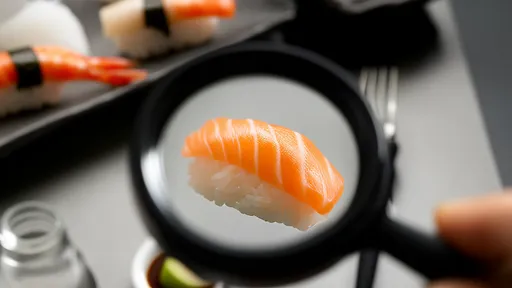
In the world of culinary arts, where chefs constantly push boundaries to create visually stunning and palate-pleasing dishes, a new trend has emerged that combines precision, artistry, and an almost unimaginable level of detail. Welcome to the realm of micro-sculpted sushi, where grains of rice become canvases for microscopic masterpieces.
Food

Banana Leaf Express: Southeast Asia's Plastic-Free Takeout Packaging

By /Jul 7, 2025

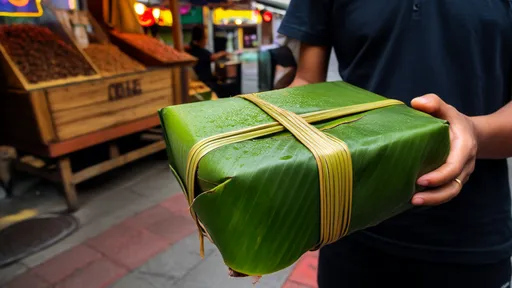
In the bustling streets of Bangkok, Jakarta, and Hanoi, a quiet revolution is taking place in the way food is delivered. Across Southeast Asia, where plastic waste from takeaway containers clogs canals and landfills, entrepreneurs and traditional vendors alike are turning to an ancient solution: banana leaves. What began as a grassroots movement has now evolved into a regional phenomenon, with startups and restaurants adopting this biodegradable alternative to plastic packaging.
Food

Oral Topography: How Do the Contours of Tongue Coating Affect Taste Perception?

By /Jul 7, 2025

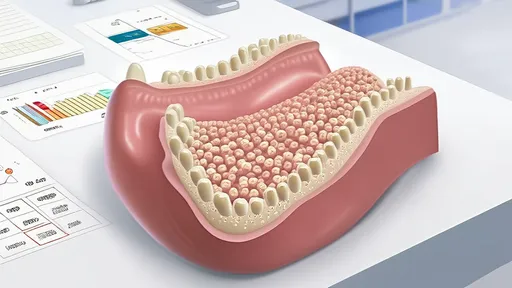
The human tongue is a fascinating organ, not just for its role in speech but also as the primary gateway to our sense of taste. Its surface, often described in terms of a "oral topographical map," is dotted with tiny structures called papillae, which house taste buds. Among the many variations in tongue anatomy, the texture of the tongue coating—often referred to as tongue fur or tongue moss—plays a subtle yet significant role in how we perceive flavors. When the tongue's surface becomes uneven, with patches of thicker or thinner coating, the way taste molecules interact with our taste buds can shift, altering our sensory experience.
Food

Why Can't We Taste Tomatoes When We Have a Cold?

By /Jul 7, 2025

The common cold brings with it a host of frustrating symptoms—congestion, sneezing, and perhaps most annoyingly, a dulled sense of taste. Among the many flavors that seem to vanish when we’re sick, the bright, tangy taste of tomatoes often stands out. Why does this happen? The answer lies in the intricate relationship between our sense of smell and taste, a phenomenon known as retronasal olfaction.
Food

Hunger Memory: The Association Between Stomach Contraction Frequency and Emotional Connection"

By /Jul 7, 2025

The human body has always been a fascinating subject of study, particularly when it comes to the intricate connections between physical sensations and emotional states. One of the most compelling areas of research in recent years has been the relationship between stomach contractions and emotional memory—often referred to as "hunger memory." This concept suggests that the rhythmic contractions of an empty stomach may not only signal hunger but also play a role in how we process and recall emotions.
Food

Symbiosis of Tea and Coffee: The Union of Yunnan Coffee and Pu'er Tea"

By /Jul 7, 2025

In the misty highlands of Yunnan, a unique agricultural symbiosis is quietly rewriting the rules of specialty crop cultivation. The marriage between coffee and tea, two seemingly rival crops, has blossomed into an extraordinary partnership that benefits farmers, ecosystems, and discerning drinkers worldwide. This unlikely union represents more than just crop diversification—it's a cultural alchemy that blends ancient tea traditions with modern coffee sophistication.
Food

Kitchen Scrap Gemstones: Fruit Pits Turned into High-End Buttons

By /Jul 7, 2025

In an era where sustainability meets innovation, a surprising trend is emerging in the fashion and jewelry industries: gemstone-quality buttons crafted from fruit pits. What was once considered organic waste is now being transformed into exquisite, wearable art that rivals traditional materials in both beauty and durability.
Food

Dough Etching Machine: Laser-Engraved Bread Lace Edging

By /Jul 7, 2025

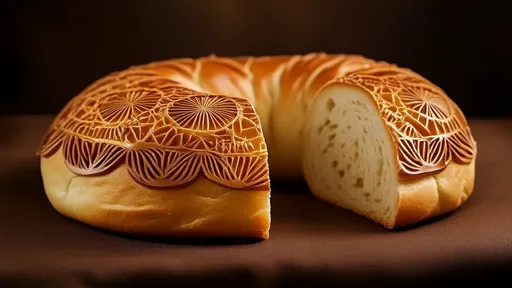
In the ever-evolving world of culinary arts and technology, a fascinating innovation has emerged at the intersection of food and precision engineering: dough lithography. This cutting-edge technique, which involves laser-etching intricate lace patterns onto bread, is redefining the boundaries of edible artistry. What began as an experimental project in food design labs has now blossomed into a full-fledged movement, captivating professional bakers and home enthusiasts alike.
Food

The Coffee Grounds Revolution: A Fantastic Journey from Waste to Furniture

By /Jul 7, 2025

The scent of freshly brewed coffee lingers in morning air across countless households worldwide. But what happens to the mountains of damp coffee grounds left behind after each caffeine fix? For centuries, this byproduct was considered worthless organic waste - until a quiet revolution began transforming these fragrant leftovers into something extraordinary.
Food

Air Protein: The Future Flour Transformed from Carbon Dioxide

By /Jul 7, 2025

In a world grappling with climate change and food insecurity, scientists and innovators are turning to unconventional solutions to feed a growing population. One of the most groundbreaking developments in recent years is the concept of air protein—a flour-like substance derived from carbon dioxide. This technology promises to transform the way we think about food production, offering a sustainable alternative to traditional agriculture.
Food

Crystal Sugar Art: Cultivating Rock Candy with Geode Crystallization Method

By /Jul 7, 2025

The art of rock candy cultivation, a delicate fusion of culinary craftsmanship and geological principles, has captivated confectioners and scientists alike for centuries. This ancient technique transforms humble sugar syrup into glittering crystalline structures through a process mirroring the formation of minerals deep within the Earth's crust. Unlike commercial sugar production, which prioritizes speed and volume, traditional rock candy artisans employ time-honored methods that celebrate the natural beauty of sucrose crystallization.
Food

Coffee Latte Topology: The Ever-Changing Möbius Strip

By /Jul 7, 2025

The art of coffee has transcended mere beverage preparation, evolving into a mesmerizing form of visual storytelling. Among the most captivating expressions of this craft is the elusive "Möbius Strip Latte Art," a topological marvel that defies repetition and challenges the boundaries of creativity. This intricate design, inspired by the mathematical concept of a surface with only one side and one boundary, has become the holy grail for baristas seeking to push the limits of their foam-based canvas.
Food

Low-Temperature Cooking Method: Experiment of Human Body Incubating Onsen Eggs"

By /Jul 7, 2025

In a quiet corner of Japan's hot spring region, a curious culinary experiment has been quietly unfolding for the past three years. A group of food scientists and thermal biology enthusiasts have been exploring the possibilities of human-body-temperature egg incubation, using the naturally occurring warm waters of onsens as their laboratory. This unconventional approach to egg preparation challenges traditional cooking methods and raises fascinating questions about food chemistry, microbiology, and the very nature of cooking itself.
Food

Dumpling Shape Examination: Cultural Codes of 40 Global Wrapping Methods"

By /Jul 7, 2025

The humble dumpling, a culinary staple across continents, carries within its pleats and folds a wealth of cultural history. From the delicate har gow of Cantonese dim sum to the robust pierogi of Eastern Europe, each wrapping technique whispers stories of migration, adaptation, and identity. This investigation into forty global dumpling forms reveals how something as simple as flour and water transforms into edible anthropology.
Food

A Global Journey of Spices: The Overland and Maritime Spread of Cinnamon

By /Jul 7, 2025

The story of cinnamon is one of the most fascinating tales in the history of global trade. This aromatic spice, derived from the inner bark of trees native to Sri Lanka and parts of India, traveled vast distances through both land and sea routes, shaping economies, cultures, and even empires. Its journey from the lush forests of South Asia to the markets of Europe and the Middle East is a testament to human ingenuity and the relentless pursuit of flavor, medicine, and prestige.
Food

Sunshine Cooking Plan: Solar Cooker Desert Test

By /Jul 7, 2025

In the vast expanse of the Sahara, where the sun reigns supreme, a groundbreaking experiment is unfolding. The Sunshine Cuisine Initiative, a global effort to promote sustainable cooking solutions, has embarked on an ambitious project to test solar cookers in one of the harshest environments on Earth. This desert trial aims to evaluate the efficiency, durability, and practicality of solar-powered cooking devices in extreme conditions.
Food

Fermentation Bridge: A Comparative Study of Microbiota in Korean Kimchi and German Sauerkraut

By /Jul 7, 2025

The art of fermentation has long served as a culinary bridge between cultures, transforming humble vegetables into vibrant, probiotic-rich staples. Nowhere is this more evident than in the parallel traditions of Korean kimchi and German sauerkraut. Though separated by thousands of miles, these two fermented cabbage dishes share surprising microbial connections while maintaining distinct personalities shaped by their terroir and traditions.