The human body has always been a fascinating subject of study, particularly when it comes to the intricate connections between physical sensations and emotional states. One of the most compelling areas of research in recent years has been the relationship between stomach contractions and emotional memory—often referred to as "hunger memory." This concept suggests that the rhythmic contractions of an empty stomach may not only signal hunger but also play a role in how we process and recall emotions.
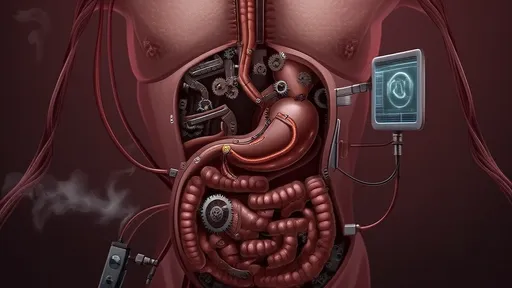
Scientists have long known that the brain and gut communicate through a complex network of neurons, hormones, and biochemical signals. However, the idea that stomach contractions could influence emotional memory adds a new layer to this understanding. Studies have shown that when the stomach is empty, it produces more frequent and intense contractions. These contractions send signals to the brain, which may heighten emotional responses or even alter the way memories are stored. This phenomenon could explain why people often report feeling more emotionally vulnerable when hungry.
The link between stomach contractions and emotions isn't just a modern discovery. Historical accounts and cultural practices have hinted at this connection for centuries. Fasting rituals in various religions, for example, often emphasize heightened spiritual or emotional awareness during periods of hunger. Modern science is now beginning to uncover the physiological mechanisms behind these age-old observations. Researchers have found that ghrelin, the so-called "hunger hormone," not only stimulates appetite but also interacts with brain regions involved in emotional regulation, such as the amygdala and hippocampus.
One particularly intriguing aspect of this research is the potential for hunger to enhance memory formation. Some studies suggest that the state of an empty stomach might create a more alert and receptive mind, making it easier to form strong emotional memories. This could have evolutionary roots—remembering where and how food was obtained in times of scarcity would have been crucial for survival. Today, this mechanism might manifest in more subtle ways, such as why certain emotionally charged events are remembered more vividly when experienced on an empty stomach.
Of course, the relationship isn't always straightforward. While some people may experience heightened emotional clarity when hungry, others might feel irritable or anxious. Individual differences in metabolism, stress levels, and even gut microbiota can influence how stomach contractions affect emotions. For instance, someone with a history of disordered eating might associate stomach contractions with negative emotions, while another person might interpret the same sensations as a sign of anticipation or excitement.
The implications of this research extend beyond academic curiosity. Understanding the gut-emotion connection could lead to new approaches in treating mental health conditions. For example, therapies that target gut motility or ghrelin levels might one day complement traditional treatments for anxiety or depression. Additionally, this knowledge could help individuals better manage their emotional well-being by paying closer attention to their hunger cues and eating patterns.
Despite the progress made, many questions remain unanswered. How do stomach contractions interact with other bodily signals to shape emotional experiences? Can deliberately manipulating hunger states—through intermittent fasting, for example—enhance emotional resilience or creativity? Future studies will need to explore these avenues, potentially unlocking new ways to harness the power of hunger memory for personal growth and healing.
For now, the idea that our stomachs might play a role in how we feel and remember is a reminder of the body's incredible complexity. The next time you feel a hunger pang, it might be worth pausing to consider not just what you want to eat, but how your body is subtly shaping your emotional landscape.
By /Jul 7, 2025
By /Jul 7, 2025

By /Jul 7, 2025

By /Jul 7, 2025

By /Jul 7, 2025
By /Jul 7, 2025

By /Jul 7, 2025
By /Jul 7, 2025

By /Jul 7, 2025

By /Jul 7, 2025

By /Jul 7, 2025

By /Jul 7, 2025

By /Jul 7, 2025

By /Jul 7, 2025
By /Jul 7, 2025
By /Jul 7, 2025
By /Jul 7, 2025

By /Jul 7, 2025

By /Jul 7, 2025

By /Jul 7, 2025
