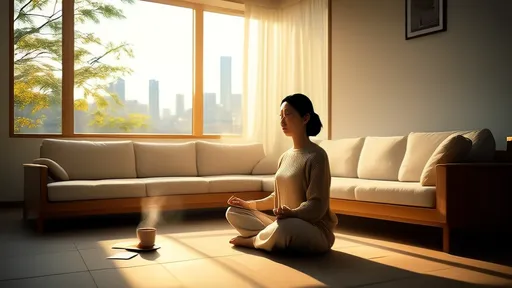
The interplay between natural light exposure and emotional regulation has fascinated scientists and wellness practitioners for decades. As modern life increasingly moves indoors, understanding how sunlight shapes our psychological wellbeing becomes not just academically interesting but clinically relevant. Emerging research continues to reveal the profound ways daylight interacts with our neurochemistry, circadian rhythms, and ultimately, our emotional resilience.
Morning sunlight acts as nature's most potent antidepressant for good reason. When photons enter our eyes at dawn, they trigger a cascade of neurochemical events that set the tone for emotional stability throughout the day. The suprachiasmatic nucleus—our biological master clock—uses these light signals to synchronize cortisol production, ensuring this alertness hormone peaks early and tapers appropriately. This natural cortisol rhythm, when undisturbed, creates an optimal biochemical environment for stress modulation. People who consistently miss morning light exposure show flatter cortisol curves, correlating with higher anxiety levels and emotional volatility.
The color temperature of natural light plays an underappreciated role in mood regulation. Unlike static artificial lighting, daylight dynamically shifts from warm 2000K hues at sunrise to crisp 6500K blue-white tones by midday before warming again at dusk. This chromatic progression subtly guides our nervous system through different states of alertness and relaxation. The blue wavelengths dominant at noon stimulate melanopsin receptors that boost serotonin production and cognitive sharpness, while the amber tones of sunset promote melatonin precursor synthesis, easing the transition into restorative sleep. Modern lighting design often ignores these biological cues, potentially contributing to widespread dysregulation of emotional states.
Seasonal Affective Disorder represents the most dramatic example of light's emotional influence, but subtler variants affect millions unaware. Even in sunny climates, office workers averaging 90% of their time indoors experience what researchers term "light deficiency syndrome"—a chronic but low-grade disruption of emotional homeostasis. Symptoms manifest as persistent low motivation, irritability, and difficulty deriving pleasure from typically enjoyable activities. Unlike clinical depression, these symptoms often lift remarkably quickly with deliberate light exposure protocols, suggesting the root cause was physiological rather than psychological.
The angle of sunlight penetration affects emotional processing in surprising ways. Low-angled winter light that enters spaces horizontally creates stark contrasts and long shadows, which some studies associate with intensified rumination. Conversely, the high summer sun that bathes rooms in diffused brightness through overhead windows appears to facilitate more balanced emotional processing. Architects are now applying these findings through innovative daylighting designs that account for seasonal solar paths, creating built environments that actively support mental health year-round.
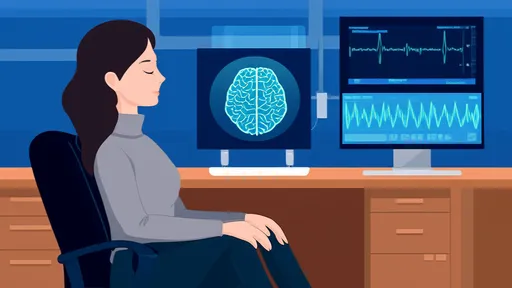
Light's duration matters as much as its intensity for emotional wellbeing. In northern latitudes where winter days shrink to mere hours, residents show measurable changes in emotional processing centers on fMRI scans. The amygdala becomes hyperresponsive to negative stimuli while prefrontal cortex activity diminishes—a neural recipe for anxiety and poor emotional control. Surprisingly, even simulated daylight extension using bright light therapy can partially reverse these changes within weeks, demonstrating the brain's remarkable plasticity when given proper luminous input.
The skin serves as an unexpected partner in light-mediated mood regulation. While eyes process light for circadian timing, dermal photoreceptors convert UVB exposure into mood-stabilizing compounds. Moderate sunlight stimulates keratinocytes to produce beta-endorphins—natural opioids that induce mild euphoria and pain relief. Simultaneously, UV radiation catalyzes vitamin D synthesis, a prohormone now recognized as crucial for serotonin production and protection against inflammatory processes that can underlie depression. This dual pathway explains why light therapy combining visual and dermal exposure often outperforms eye-only treatments.
Urban light pollution creates a paradoxical situation where we're surrounded by artificial brightness yet starved of biologically meaningful illumination. The constant glow of streetlights and electronic displays tricks our pineal gland into suppressing melatonin at night while providing none of daytime light's mood benefits. This double disruption—insufficient daytime photons coupled with excessive nighttime lumens—may contribute to the rising prevalence of mood disorders in developed nations. Simple interventions like using amber nighttime lighting and seeking morning sunlight can help recalibrate this imbalance.
Natural light's emotional benefits extend beyond individual biology to social connectivity. Sunlit spaces inherently encourage human interaction—parks bathed in golden hour light see more spontaneous conversations than artificially lit indoor malls. This social facilitation creates virtuous cycles where light improves mood directly through neurochemistry and indirectly through enhanced community engagement. Urban planners leveraging this phenomenon design "light anchors"—public spaces optimized for sunlight exposure that become natural gathering points fostering both individual wellbeing and community cohesion.
Emerging research on ipRGCs (intrinsically photosensitive retinal ganglion cells) reveals why light affects emotion differently than vision. These specialized photoreceptors, discovered only in 2002, project directly to brain regions regulating mood rather than forming visual images. They respond slowly to light changes, explaining why brief artificial light flashes don't provide the same emotional benefits as sustained natural light exposure. This discovery underscores that our relationship with daylight isn't merely about illumination—it's an ongoing biochemical dialogue that shapes our fundamental emotional capacity.
The therapeutic potential of timed light exposure is gaining validation across mental health conditions. Beyond depression, controlled studies show promising results using specific light wavelengths and intensities for anxiety disorders, PTSD, and even borderline personality disorder. Unlike pharmaceuticals that target single neurotransmitters, light therapy appears to work by harmonizing multiple systems simultaneously—circadian rhythms, neuroendocrine axes, and autonomic nervous system balance. This multi-system approach may explain why patients often report improvements in overall emotional resilience rather than just symptom reduction.
Modern workplaces are beginning to recognize light as an emotional productivity factor. Companies investing in circadian lighting systems that mimic outdoor light progression report fewer employee sick days and higher job satisfaction. The most advanced systems adjust not just intensity but spectral composition throughout the day, providing cool blue-enriched light during morning hours and gradually shifting to warmer tones in late afternoon. Early adopters find these biologically attuned environments reduce workplace conflicts and emotional burnout—outcomes traditional office design rarely achieves.
Children's emotional development appears particularly sensitive to light quality. Classrooms with ample daylight show significantly lower rates of emotional dysregulation and hyperactivity compared to windowless spaces. The mechanism may involve light's role in regulating dopamine—a neurotransmitter essential for emotional reward processing and impulse control. Some progressive schools now schedule challenging subjects during peak daylight hours while reserving artificial light periods for less demanding activities, creating an emotional scaffolding that supports learning.
The future of light-based emotional regulation may lie in personalization. Just as nutrition science moved from blanket recommendations to individualized diets, light medicine is developing protocols tailored to genetic profiles, chronotypes, and even emotional baseline states. Wearable light sensors combined with machine learning can now identify individual light exposure patterns that correlate with optimal emotional stability. This precision approach acknowledges that while natural light universally affects mood, the ideal "dose" varies significantly between individuals based on biology, lifestyle, and environmental context.
As research progresses, one truth becomes increasingly clear: humans didn't evolve under fluorescent bulbs and backlit screens. Our emotional circuitry expects the rich, dynamic information contained in natural daylight—its daily cycles, seasonal variations, and subtle spectral shifts. Reconnecting with these ancient luminous rhythms may hold unexpected keys to managing modern emotional challenges. In an era of complex psychiatric medications and therapies, something as simple as a daily sunlight walk could prove to be among our most powerful tools for emotional balance.

By /Jul 14, 2025

By /Jul 14, 2025

By /Jul 14, 2025

By /Jul 14, 2025

By /Jul 14, 2025
By /Jul 14, 2025

By /Jul 14, 2025

By /Jul 14, 2025

By /Jul 14, 2025

By /Jul 14, 2025

By /Jul 14, 2025

By /Jul 14, 2025
By /Jul 14, 2025

By /Jul 14, 2025

By /Jul 14, 2025
By /Jul 14, 2025
By /Jul 14, 2025

By /Jul 14, 2025
By /Jul 14, 2025

By /Jul 14, 2025
