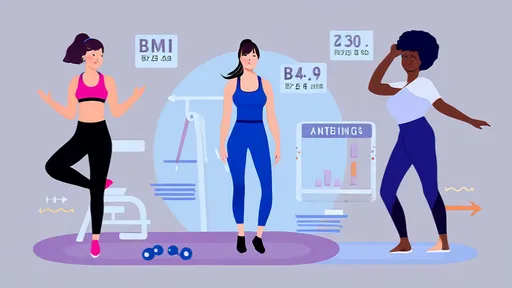
Physical activity is universally acknowledged as a cornerstone of health, yet not all exercise regimens yield equal benefits across different body types. The concept of tailoring workout plans based on body mass index (BMI) has gained traction among fitness professionals and healthcare providers. This approach recognizes that individuals with varying BMI classifications—underweight, normal weight, overweight, or obese—have distinct physiological needs, risks, and capabilities. Crafting exercise prescriptions that account for these differences can optimize outcomes while minimizing injury risks.
For those classified as underweight (BMI below 18.5), the primary focus often shifts toward building lean muscle mass and improving overall strength. Resistance training takes precedence over cardiovascular exercises in such cases. Compound movements like squats, deadlifts, and bench presses stimulate multiple muscle groups simultaneously, promoting hypertrophy. However, caution must be exercised to avoid overtraining, as underweight individuals may have lower energy reserves. Incorporating adequate rest periods and progressively increasing weights ensures steady gains without undue stress on joints or connective tissues. Nutritional support becomes equally critical; without sufficient caloric intake, even the most meticulously designed strength program will falter.
Individuals falling within the normal BMI range (18.5–24.9) enjoy greater flexibility in their exercise choices. This group can effectively blend cardiovascular conditioning with resistance training to maintain overall fitness. Activities like running, cycling, or swimming improve endurance, while moderate weightlifting preserves muscle tone. The absence of significant weight-related constraints allows for experimentation with various workout modalities—from high-intensity interval training (HIIT) to yoga or Pilates. That said, even normal-weight individuals should prioritize proper form and recovery to prevent overuse injuries that could sideline progress.
Overweight individuals (BMI 25–29.9) face unique challenges that necessitate careful exercise selection. Joint stress becomes a pressing concern, particularly during high-impact activities. Low-impact alternatives such as elliptical training, swimming, or cycling often prove more sustainable than running on hard surfaces. Resistance training remains invaluable but should emphasize functional movements that enhance daily mobility. Incorporating core-strengthening exercises helps distribute load more evenly across the body, reducing strain on vulnerable areas like knees and lower back. Gradual progression is key; attempting overly ambitious workouts too soon can lead to discouragement or injury.
For obese individuals (BMI 30 or above), safety takes precedence in designing exercise programs. Non-weight-bearing activities minimize joint impact while still providing cardiovascular benefits—water aerobics or recumbent cycling are excellent starting points. Strength training should focus on improving functional capacity rather than aesthetics initially; simple bodyweight exercises like chair squats or wall push-ups build foundational strength. As fitness improves, resistance can be incrementally added. Supervision by a qualified trainer or physical therapist may be advisable to ensure proper technique and prevent strain. It’s worth noting that even modest increases in physical activity yield significant health improvements for this group, independent of substantial weight loss.
Beyond BMI categories, individual variability plays a crucial role in exercise prescription. Factors like age, preexisting conditions, and fitness history interact with body mass index to create nuanced requirements. Someone with a high BMI but substantial muscle mass (e.g., athletes) will have different needs than someone with similar BMI stemming from adiposity. Regular assessments—including strength tests, flexibility measurements, and cardiovascular benchmarks—help refine programs over time. Listening to one’s body remains paramount; discomfort differs distinctly from pain, and recognizing this distinction prevents setbacks.
Hydration and recovery protocols also vary across BMI spectrums. Larger individuals tend to generate more heat during exercise and may require greater fluid intake to compensate for increased sweating. Conversely, underweight persons might need closer monitoring for signs of dehydration or fatigue due to lower energy stores. Sleep quality profoundly impacts workout recovery regardless of BMI, though those carrying excess weight often experience sleep disruptions that can hinder progress. Addressing these ancillary factors complements the exercise regimen itself.
The psychological dimension of exercising with different body types warrants equal attention. Societal pressures and self-perception frequently influence adherence to fitness routines. Overweight individuals might feel intimidated in gym settings, while underweight persons could struggle with unrealistic expectations about rapid muscle gain. Creating supportive environments—whether through personal trainers, group classes with similar peers, or home-based workouts—can enhance long-term commitment. Celebrating non-scale victories like improved stamina or clothing fit helps sustain motivation across all BMI categories.
Technology has introduced tools that personalize fitness further. Wearable devices track metrics like heart rate variability, which can indicate whether an exercise intensity aligns with one’s current capacity. Mobile apps offer modifications for various fitness levels, making it easier to adjust workouts in real time. These innovations democratize access to customized training that once required expensive personal training sessions. However, technology should supplement rather than replace professional guidance, particularly for those with extreme BMI values or health complications.
Ultimately, the most effective exercise prescription considers BMI as one piece of a larger puzzle. Metabolic health, movement quality, and personal preferences interact to shape ideal routines. A holistic view—one that integrates physical activity with nutrition, sleep, and stress management—yields sustainable results. Whether the goal involves gaining strength, losing fat, or maintaining current health, respecting bodily differences lays the groundwork for lifelong fitness success.

By /Jul 14, 2025

By /Jul 14, 2025

By /Jul 14, 2025

By /Jul 14, 2025

By /Jul 14, 2025

By /Jul 14, 2025

By /Jul 14, 2025

By /Jul 14, 2025

By /Jul 14, 2025

By /Jul 14, 2025

By /Jul 14, 2025

By /Jul 14, 2025

By /Jul 14, 2025

By /Jul 14, 2025

By /Jul 14, 2025

By /Jul 14, 2025

By /Jul 14, 2025

By /Jul 14, 2025
By /Jul 14, 2025

By /Jul 14, 2025
