In our fast-paced modern world, where stress and anxiety have become constant companions for many, maintaining an emotion journal has emerged as a powerful tool for self-awareness and mental wellbeing. Unlike traditional diaries that focus on recounting daily events, emotion journals dive deeper into the psychological landscape, helping individuals track, understand, and ultimately regulate their emotional patterns.
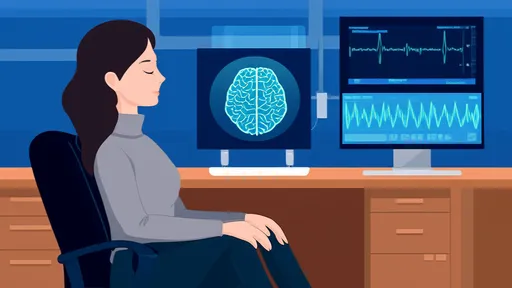
The science behind emotion journaling reveals fascinating insights into how this simple practice can rewire our brains. Neuroscientific research demonstrates that the act of labeling emotions activates the prefrontal cortex while simultaneously reducing activity in the amygdala - essentially allowing our rational brain to calm our emotional responses. This biological mechanism explains why consistent emotion tracking can lead to improved emotional intelligence over time.
What sets scientific emotion journaling apart from casual diary entries is its structured approach. Clinical psychologists emphasize the importance of specific components that transform simple note-taking into a therapeutic intervention. These include precise emotion labeling using standardized scales, identifying triggers and physical sensations, noting behavioral responses, and recognizing thought patterns associated with each emotional experience.
The timing of journal entries plays a crucial role in the effectiveness of this practice. While some individuals benefit from scheduled reflection periods, others find greater value in immediate recording during or right after emotional experiences. Research suggests that real-time documentation captures more authentic emotional states before memory distortions occur, while reflective journaling allows for deeper analysis of emotional patterns.
One of the most validated approaches in clinical settings is the three-component model of emotion journaling. This method requires separating entries into distinct sections for emotional experience (what you felt), cognitive appraisal (what you thought), and behavioral response (what you did). This tripartite structure helps create psychological distance from intense emotions, enabling more objective self-observation.
Technology has introduced new dimensions to emotion tracking, with numerous apps now offering sophisticated journaling platforms. However, studies comparing digital versus analog methods show interesting results. While apps provide convenience and reminders, the physical act of handwriting appears to engage different neural pathways that may enhance emotional processing. The tactile experience of putting pen to paper seems to slow down our thoughts, creating space for more mindful reflection.
The language we use in our emotion journals matters more than we might realize. Psychological research demonstrates that employing a rich emotional vocabulary leads to better emotional regulation. Instead of simply writing "I felt bad," distinguishing between disappointment, frustration, or sadness creates more precise neural connections that help in processing these emotions. Some therapists recommend keeping an emotion wheel nearby to expand one's emotional lexicon during journaling.
Longitudinal studies on emotion journaling reveal its cumulative benefits. Participants who maintained consistent journals for six months or longer showed measurable improvements in emotional granularity - the ability to differentiate between similar emotional states. This heightened emotional awareness correlated with better stress management, improved relationships, and even enhanced immune function, likely due to reduced chronic stress.
An often-overlooked aspect of scientific emotion journaling is the review process. Simply recording emotions isn't enough; regular review of past entries is essential for identifying patterns and triggers. Many therapists recommend setting aside time weekly or monthly to analyze journal entries for recurring themes, seasonal variations in mood, or progress in emotional regulation.
The relationship between physical sensations and emotional states forms another critical component of effective emotion journaling. Incorporating body scanning techniques before writing can reveal valuable information, as emotions often manifest physically. Noting where in the body you feel tension, warmth, or other sensations can provide early warning signs of emotional shifts and deepen self-understanding.
Cultural considerations play a significant role in emotion journaling practices. Research indicates that individuals from collectivist cultures might benefit from adjusting traditional journaling methods to include more relational context, while those from individualistic cultures might focus more on personal emotional autonomy. The universality of certain emotions doesn't negate the importance of cultural lenses in how we experience and process them.
For those dealing with trauma or severe emotional dysregulation, emotion journaling requires special considerations. Mental health professionals often recommend modified approaches, such as limiting journaling time to prevent rumination or using specific containment strategies to avoid emotional overwhelm. In these cases, journaling under professional guidance typically yields better outcomes than going it alone.
The scientific community continues to explore innovative emotion journaling techniques. Emerging research examines the potential of multimodal journaling that combines writing with visual elements, audio recordings, or even physiological data from wearable devices. These integrated approaches may offer more comprehensive emotional snapshots than traditional text-based methods alone.
As our understanding of emotional intelligence grows, so does appreciation for emotion journaling as more than just a self-help trend. What began as a therapeutic tool has evolved into a respected intervention with measurable neurological benefits. Whether used independently or as part of professional treatment, scientific emotion journaling offers a accessible pathway to greater emotional balance and self-knowledge.
he beauty of this practice lies in its flexibility - it can be adapted to individual needs while maintaining its core scientific principles. From brief structured entries to more elaborate reflections, the key is consistency and honest self-observation. As research continues to validate its benefits, emotion journaling stands poised to become an increasingly valued component of mental health maintenance in our emotionally complex world.

By /Jul 14, 2025

By /Jul 14, 2025

By /Jul 14, 2025

By /Jul 14, 2025

By /Jul 14, 2025

By /Jul 14, 2025

By /Jul 14, 2025

By /Jul 14, 2025

By /Jul 14, 2025

By /Jul 14, 2025

By /Jul 14, 2025

By /Jul 14, 2025
By /Jul 14, 2025

By /Jul 14, 2025

By /Jul 14, 2025

By /Jul 14, 2025
By /Jul 14, 2025

By /Jul 14, 2025

By /Jul 14, 2025

By /Jul 14, 2025
