Flexibility training is often overlooked in fitness routines, yet it plays a crucial role in maintaining mobility, preventing injuries, and enhancing overall physical performance. What many people don’t realize is that flexibility needs change as we age. A one-size-fits-all approach doesn’t work—what benefits a teenager might not be suitable for a middle-aged adult or a senior. Understanding how to adjust flexibility training across different life stages can make the difference between a sustainable practice and one that leads to strain or injury.
The Foundation of Flexibility
Before diving into age-specific adjustments, it’s important to grasp why flexibility matters. Our muscles, tendons, and ligaments naturally lose elasticity over time. Collagen production decreases, joints become stiffer, and muscle mass diminishes. Without proper maintenance, these changes can lead to reduced range of motion, discomfort, and even chronic pain. Flexibility training helps counteract these effects by promoting blood flow, lengthening muscle fibers, and improving joint function. However, the intensity, duration, and type of stretching must evolve with age to remain effective and safe.
Childhood and Adolescence: Building a Strong Base
Young bodies are remarkably adaptable. Children and teenagers often exhibit natural flexibility, but this doesn’t mean they should skip structured training. In fact, this is the ideal time to establish healthy habits. Dynamic stretches—like leg swings, arm circles, and torso twists—work well for this age group. These movements prepare the body for physical activity without overstretching growing muscles and joints. Sports like gymnastics, dance, or martial arts can also incorporate playful yet purposeful flexibility drills. The key is to avoid forcing stretches, as overstretching in youth can lead to hypermobility or instability later in life.
Early Adulthood: Maintaining and Refining
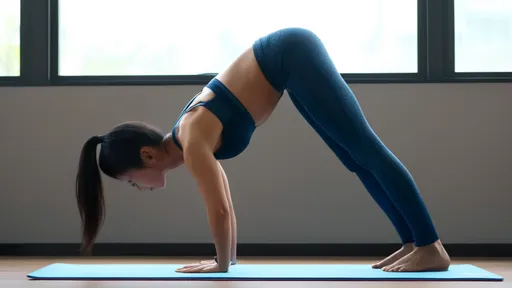
In their 20s and 30s, most people experience peak physical condition, but this is also when flexibility begins its slow decline if neglected. Sedentary lifestyles, prolonged sitting, and repetitive movements (like those in desk jobs) contribute to muscle tightness. A mix of dynamic and static stretching is effective here. Yoga or Pilates can be excellent choices, offering both flexibility and strength benefits. Adults in this age group should focus on areas prone to stiffness, such as the hips, hamstrings, and shoulders. Consistency is crucial—flexibility lost now is harder to regain later.
Middle Age: Adapting to Changing Needs
By the 40s and 50s, the body’s resilience isn’t what it once was. Muscle elasticity decreases, and recovery takes longer. Overstretching becomes a real risk, so gentle, controlled movements are essential. Proprioceptive neuromuscular facilitation (PNF) stretching, which involves contracting and relaxing muscles, can be particularly beneficial. This method improves flexibility without straining tissues. Foam rolling and myofascial release techniques also help address tightness caused by years of wear and tear. It’s wise to prioritize functional flexibility—mobility that supports daily activities like bending, reaching, or lifting—rather than extreme stretches.
Seniors: Safety and Sustainability
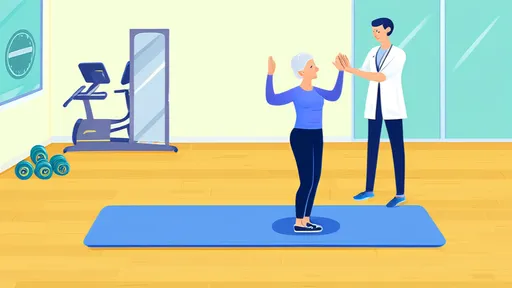
For those aged 60 and beyond, flexibility training must prioritize safety. Joints are more vulnerable, and balance may be compromised. Static stretches should be held longer but with minimal force, focusing on major muscle groups like the calves, quadriceps, and lower back. Chair yoga or tai chi are superb options, as they emphasize slow, deliberate movements that enhance flexibility while reducing fall risk. Warm-ups are non-negotiable; cold muscles are more prone to tears. Seniors should also listen closely to their bodies, avoiding any movement that causes pain or discomfort.
Common Pitfalls Across All Ages
Regardless of age, some mistakes are universal. Skipping warm-ups, bouncing during stretches (ballistic stretching), or pushing past pain are recipes for injury. Flexibility gains are gradual—forcing progress leads to setbacks. Hydration and nutrition also play roles; dehydrated muscles are less pliable, and deficiencies in minerals like magnesium can increase cramping. Lastly, flexibility shouldn’t exist in a vacuum. Pairing it with strength training ensures that muscles can support their newfound range of motion.
Tailoring the Approach
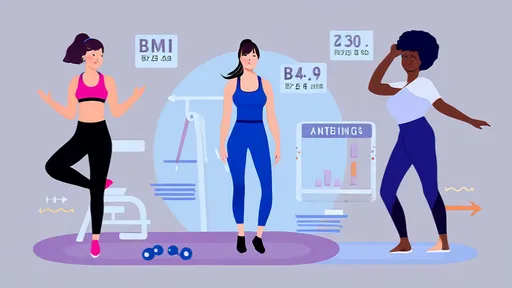
The most effective flexibility programs are those adapted to individual needs, not just age. Factors like injury history, activity level, and specific goals must inform the routine. A former athlete in their 50s will have different requirements than a sedentary peer. Consulting a physical therapist or certified trainer can provide personalized guidance. Technology, too, offers tools—wearables that track range of motion or apps that guide age-appropriate routines can be invaluable.
The Long-Term Perspective
Flexibility training isn’t about touching your toes or achieving splits; it’s about moving through life with ease. The adjustments made at each stage ensure that the practice remains beneficial, not burdensome. Starting young sets a foundation, middle age demands mindfulness, and later years require gentleness. By respecting the body’s evolving needs, flexibility becomes a lifelong ally—one that supports independence, vitality, and well-being far into the future.

By /Jul 14, 2025

By /Jul 14, 2025

By /Jul 14, 2025

By /Jul 14, 2025

By /Jul 14, 2025

By /Jul 14, 2025
By /Jul 14, 2025

By /Jul 14, 2025

By /Jul 14, 2025

By /Jul 14, 2025

By /Jul 14, 2025
By /Jul 14, 2025

By /Jul 14, 2025
By /Jul 14, 2025

By /Jul 14, 2025

By /Jul 14, 2025

By /Jul 14, 2025

By /Jul 14, 2025
By /Jul 14, 2025

By /Jul 14, 2025
