Recovery after intense physical activity is a complex physiological process that involves multiple systems working in harmony to restore homeostasis. The human body undergoes significant stress during exercise, particularly when pushing limits in endurance or strength training. Understanding the key markers of recovery provides athletes, coaches, and fitness enthusiasts with valuable insights into optimizing performance while minimizing injury risk.
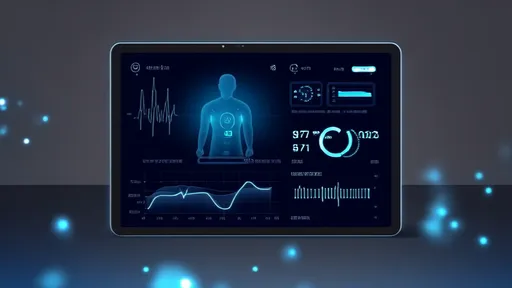
One of the most immediate indicators of recovery status appears in heart rate variability (HRV). This measurement reflects the autonomic nervous system's balance between sympathetic and parasympathetic activity. When properly recovered, the body shows greater HRV as the parasympathetic system dominates during rest. Conversely, suppressed HRV often signals incomplete recovery or excessive training stress. Advanced athletes now monitor HRV trends using wearable technology, observing how their body responds to different training loads over time.
Muscle glycogen replenishment stands as another critical recovery marker. During prolonged or high-intensity exercise, muscles deplete their glycogen stores significantly. The rate of glycogen resynthesis depends on multiple factors including carbohydrate intake, insulin sensitivity, and timing of nutrient consumption. Research demonstrates that consuming carbohydrates with protein within the recovery window enhances glycogen restoration compared to carbohydrates alone. This metabolic process typically requires 24-48 hours for complete recovery following exhaustive exercise.
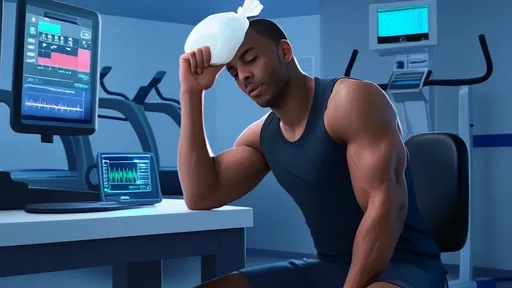
Inflammation markers tell a compelling story about tissue repair and adaptation. While acute inflammation serves as a necessary response to exercise-induced muscle damage, chronic elevation of cytokines like IL-6 and TNF-α may indicate insufficient recovery. The delicate balance between inflammation and recovery becomes particularly evident in strength athletes, where muscle protein synthesis must outweigh breakdown for optimal results. Cold water immersion and compression garments have shown mixed results in modulating these inflammatory responses, with individual variability playing a significant role.
Hormonal fluctuations provide another window into recovery physiology. Cortisol and testosterone ratios often serve as indicators of anabolic-catabolic balance. Prolonged elevation of cortisol relative to testosterone suggests the body remains in a catabolic state, potentially leading to overtraining syndrome if sustained. Endurance athletes frequently monitor these hormonal patterns, especially during periods of intensified training leading up to competition.
The restoration of neuromuscular function represents perhaps the most performance-relevant recovery metric. Following strenuous exercise, particularly eccentric-heavy activities, the central nervous system requires time to regain optimal communication with muscle fibers. Measures like vertical jump height or isometric strength tests can reveal neuromuscular fatigue that persists even after perceived muscle recovery. This explains why athletes sometimes feel physically rested but still perform below their capacity.
Sleep quality and architecture emerge as fundamental components of physiological recovery that influence all other markers. Deep sleep stages facilitate growth hormone release, which plays crucial roles in tissue repair and metabolic recovery. REM sleep contributes to neurological restoration and motor learning consolidation. Athletes experiencing sleep disturbances often show delayed recovery across multiple parameters, highlighting sleep's non-negotiable role in athletic regeneration.
Hydration status and electrolyte balance complete the recovery picture in ways many athletes underestimate. Even mild dehydration can impair cognitive function and delay musculoskeletal recovery. The complexity of fluid balance becomes apparent when considering sweat rates vary dramatically between individuals and environmental conditions. Urine specific gravity and body weight tracking provide practical methods for monitoring rehydration progress post-exercise.
Emerging research continues to reveal connections between gut microbiome composition and recovery efficiency. The bidirectional communication between gut bacteria and various physiological systems influences inflammation modulation, nutrient absorption, and even neurotransmitter production. Athletes paying attention to gut health often report faster recovery times and better tolerance to training loads, though this field requires further investigation.
Practical application of recovery monitoring involves recognizing that these physiological indicators interact in complex ways. An athlete might show excellent HRV but still require more time for glycogen replenishment. Another individual could exhibit normal hormonal profiles while struggling with neuromuscular fatigue. The art of recovery management lies in synthesizing multiple data points while respecting individual variability in physiological responses.
Technological advancements have made recovery tracking more accessible than ever before, but the human element remains irreplaceable. Subjective measures like perceived muscle soreness, motivation levels, and general wellbeing still provide invaluable context to numerical data. The most successful athletes develop keen body awareness, learning to interpret subtle signals that precede measurable changes in physiological markers.
Periodization of recovery proves just as important as training periodization. Strategic deload weeks, active recovery sessions, and varied training stimuli help prevent the accumulation of residual fatigue. Coaches increasingly recognize that prescribing recovery requires the same individualization as prescribing workouts, accounting for factors like training history, age, stress levels, and nutritional status.
The future of recovery science likely lies in personalized algorithms that integrate multiple physiological markers with lifestyle factors. As wearable technology improves and our understanding of human physiology deepens, athletes may receive real-time recovery optimization suggestions. However, the fundamental principles will remain unchanged - respecting the body's need for restoration after demanding physical work.
Ultimately, recovery represents the silent partner to training stimulus in the athletic development equation. Without proper attention to physiological restoration, even the most brilliantly designed training programs fail to yield optimal results. By understanding and monitoring key recovery markers, athletes can walk the fine line between pushing limits and respecting them, achieving sustainable progress in their athletic pursuits.
By /Jul 14, 2025
By /Jul 14, 2025

By /Jul 14, 2025

By /Jul 14, 2025

By /Jul 14, 2025

By /Jul 14, 2025

By /Jul 14, 2025

By /Jul 14, 2025

By /Jul 14, 2025

By /Jul 14, 2025

By /Jul 14, 2025

By /Jul 14, 2025

By /Jul 14, 2025

By /Jul 14, 2025

By /Jul 14, 2025
By /Jul 14, 2025

By /Jul 14, 2025

By /Jul 14, 2025

By /Jul 14, 2025

By /Jul 14, 2025
